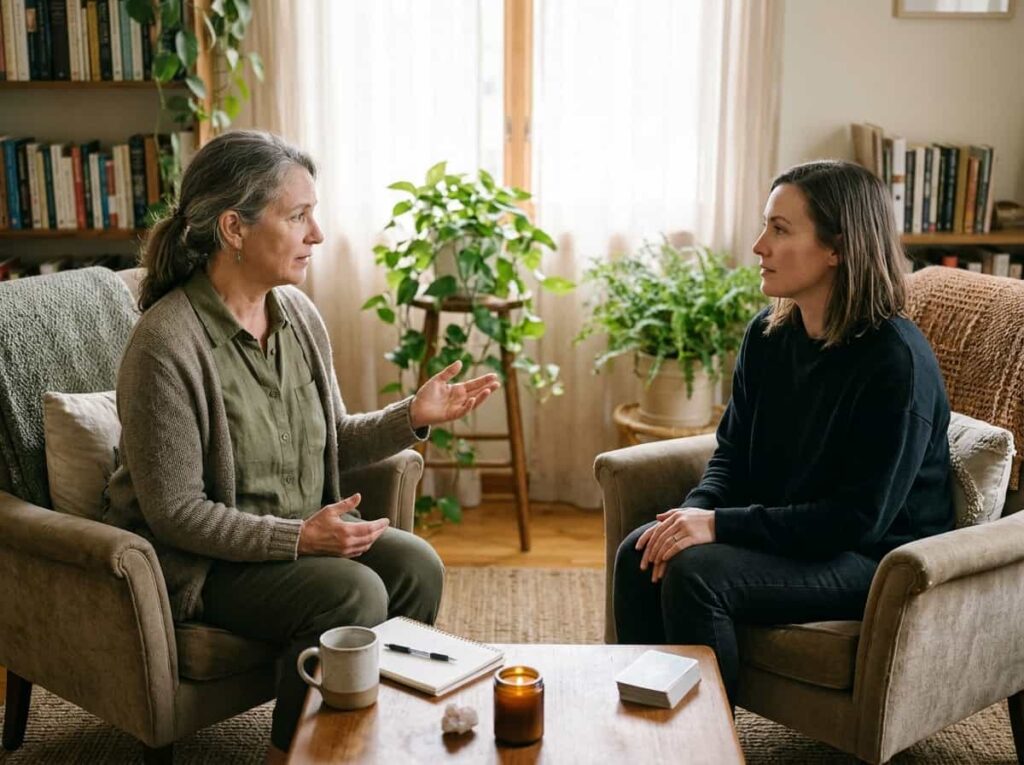

Have you ever wondered why you feel anxious when someone becomes distant, struggle to trust others, or find it difficult to let people get close? Sometimes, these feelings have deeper roots than we realise.
Attachment trauma can help us understand how early childhood experiences shape the way we connect with others as adults. By exploring these patterns, we can begin to understand our emotional needs, recognise old wounds, and build healthier relationships.
What Is Attachment Trauma?
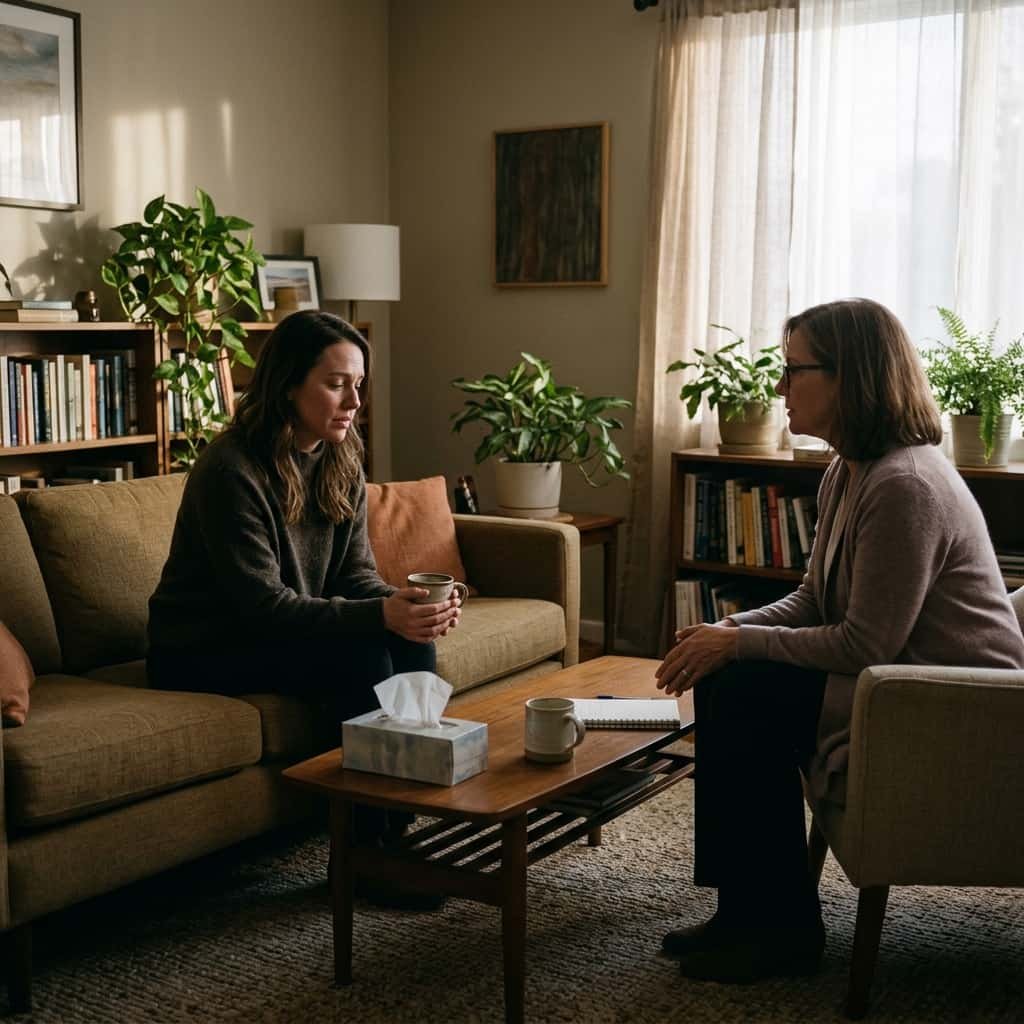
Attachment develops through the bonds we form with our main caregivers during childhood. These early connections help us learn whether we feel safe, valued, and supported.
When children receive consistent love, attention, and emotional support, they are more likely to develop a sense of security in relationships.
However, when emotional needs are often ignored, care is inconsistent, or a child experiences fear or neglect, it may affect how they understand love and connection.
These experiences can contribute to attachment difficulties that continue into adulthood.
What Causes Attachment Trauma?
There is rarely one single cause. Several childhood experiences may influence how we form relationships.
1. Inconsistent Emotional Support
When caregivers are sometimes loving but distant at other times, children may struggle to feel secure. As adults, they may fear abandonment or constantly seek reassurance.
2. Emotional Neglect
When children’s feelings are dismissed or ignored, they may grow up believing their emotions do not matter. This can make it harder to express their needs or feel worthy of love.
3. Childhood Fear or Instability
Growing up around conflict, unpredictable behaviour, or a lack of emotional safety may make it difficult to trust others and feel comfortable in close relationships.
4. Unmet Childhood Needs
Children need affection, encouragement, and a sense of belonging. When these needs are not met, feelings of rejection, loneliness, or not being good enough may carry into adulthood.
How Does Attachment Trauma Affect Adult Relationships?
Early experiences can influence how we behave in close relationships. You may notice certain patterns repeating, even when you want things to be different.
Common attachment patterns include:
- Anxious attachment: You may worry about being abandoned, seek frequent reassurance, or feel unsettled when someone becomes distant.
- Avoidant attachment: You may find emotional closeness uncomfortable or struggle to share your feelings.
- Fearful-avoidant attachment: You may want love and connection but also feel afraid of getting hurt.
These patterns are not fixed labels or a reflection of your worth. They are ways of understanding emotional responses, and they can change over time.
Can You Heal Attachment Trauma?
Understanding your attachment patterns is a meaningful first step towards personal growth. Your past does not have to define your future.
Here are a few gentle ways to begin:
- Notice your patterns: Pay attention to situations that trigger fear, withdrawal, or the need for reassurance.
- Understand your needs: Give yourself permission to recognise what helps you feel safe and supported.
- Practise self-compassion: Instead of judging your reactions, become curious about where they may come from.
- Explore your inner child: Reflect on the younger parts of yourself that may still carry unmet emotional needs.
- Seek support: Working with a suitable practitioner can help you explore these experiences at a comfortable pace.
Inner child healing and parts work can provide space to understand old emotional patterns and develop a kinder relationship with yourself.
Your Healing Journey Starts With Understanding
Your childhood may have shaped how you connect with others, but it does not have to determine every relationship you have in the future.
Understanding attachment trauma is not about blaming your caregivers or judging yourself. It is about recognising your experiences with compassion and giving your emotional needs the attention they deserve.
At Inner Me Energetics, Kel offers a compassionate, trauma-informed approach to Inner Child Healing and Parts Work, helping you explore the parts of yourself that may still need to feel heard and understood.
You deserve relationships where you feel safe, valued, and accepted, including the relationship you have with yourself.
Ready to explore your inner world? Discover Inner Child Healing and Parts Work at Inner Me Energetics and take a gentle step towards understanding yourself more deeply.
This article is for educational purposes and is not a substitute for professional mental health care. Attachment patterns are not clinical diagnoses.