
Have you ever noticed that you react differently when someone gets close to you? Perhaps you worry about being abandoned, struggle to trust others, or feel uncomfortable sharing your emotions. These reactions may be connected to your attachment style.
Attachment styles describe patterns in how we connect with others, respond to emotional needs, and experience relationships. They can be influenced by our early childhood experiences and the relationships we have throughout life.
Understanding your attachment style can help you recognise old patterns, understand yourself better, and create healthier connections.
What Are Attachment Styles?
Attachment styles develop through our early experiences with caregivers and other important people in our lives. These relationships can shape how we understand love, trust, safety, and emotional connection.
As we grow older, some of these patterns may appear in friendships, romantic relationships, and even the way we treat ourselves.
There are four commonly recognised attachment styles. However, they are not fixed labels, and people may show different patterns depending on their experiences and relationships.
The Four Main Attachment Styles

1. Secure Attachment
People with a secure attachment style often feel comfortable with emotional closeness and independence. They can express their needs, trust others, and work through disagreements without feeling that every challenge threatens the relationship.
Secure attachment does not mean having perfect relationships. It means feeling safe enough to communicate and work through difficulties.
2. Anxious Attachment
Anxious attachment may involve a strong fear of rejection or abandonment. You might worry when someone takes longer to reply, seek frequent reassurance, or question whether someone truly cares about you.
These reactions may be connected to earlier experiences where love or emotional support felt uncertain.
3. Avoidant Attachment
People with avoidant attachment may find emotional closeness difficult. They might prefer handling problems alone, avoid vulnerable conversations, or feel uncomfortable depending on others.
Sometimes, keeping emotions hidden becomes a way of protecting yourself from disappointment or hurt.
4. Disorganised Attachment
Disorganised attachment can involve a mixture of anxious and avoidant patterns. You may deeply want love and connection but also feel afraid of getting hurt.
This can create confusion, where one part of you wants closeness while another feels safer keeping its distance.
How Do Attachment Styles Affect Relationships?
Your attachment style may influence how you respond to disagreements, express affection, set boundaries, and communicate your needs.
For example, you might feel anxious when someone becomes distant or withdraw when conversations become emotional.
You may also find yourself repeating relationship patterns even when you know they are not making you happy.
Recognising these behaviours does not mean something is wrong with you. Sometimes, the ways we learned to protect ourselves as children continue to influence how we respond as adults.
The important thing is to become aware of these patterns without judging yourself.
Can You Change Your Attachment Style?
Yes, attachment patterns can change. They are not permanent definitions of who you are.
Developing greater self-awareness, building supportive relationships, and learning to understand your emotional needs can help you move towards more secure connections.
Here are a few gentle ways to begin:
- Recognise your triggers: Notice situations that bring up fear, insecurity, or the urge to withdraw.
- Understand your needs: Ask yourself what helps you feel safe, valued, and supported.
- Practise healthy communication: Express your feelings and needs rather than expecting others to guess them.
- Explore your inner child: Reflect on earlier experiences that may still influence your emotional responses.
- Be patient with yourself: Personal growth takes time, and you do not need to change everything at once.
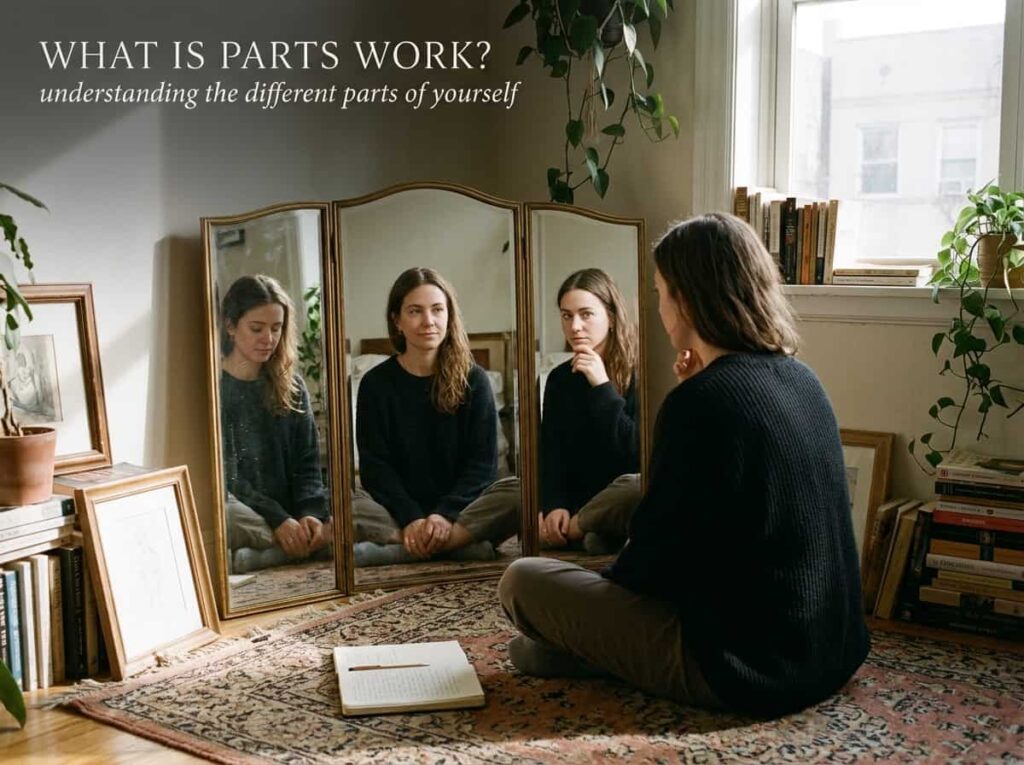
Inner Child Healing and Parts Work can offer a supportive way to explore these patterns and reconnect with the parts of yourself that may still need care and understanding.
Build Healthier Connections by Understanding Yourself
Your attachment style may help explain some of the ways you experience relationships, but it does not define your worth or decide your future.
You are allowed to learn new ways of connecting, express your needs, and build relationships that feel safe and supportive.
At Inner Me Energetics, Kel offers a compassionate, trauma-informed approach to Inner Child Healing and Parts Work. This work creates space to explore your emotional patterns, understand your younger self, and develop a deeper connection with who you are today.
Your healing journey begins with understanding yourself. You do not have to keep repeating old patterns. You can begin creating a different relationship with yourself, one step at a time.
This article is for educational purposes and is not a substitute for professional mental health care. Attachment styles are not clinical diagnoses.